Is Pest Control Safe During Pregnancy in Hamilton?
Quick answer: is pest control safe during pregnancy?
For most individuals, pest control can be safe during pregnancy when it is planned carefully, carried out by a licensed pest control company, and matched to the pest problem instead of using broad chemical exposure. The key question is not whether all pest control treatments are automatically safe, but what products are used, how they are applied, and what your exposure risk is during and after service. In a lot of situations, a measured approach is much safer than blanket treatment.
If you are pregnant and dealing with an infestation in Hamilton, Ontario, the safest approach is usually a risk assessment that favors integrated pest management, targeted application, and non-chemical methods whenever possible. That may mean a home inspection, preventive sealing, cleaning, and using traps or baits instead of a wide-area residual spray. The goal is to reduce exposure while still controlling pests effectively.
For many households, the biggest safety issue is not the pest itself but the combination of chemical exposure, poor ventilation, and not following label instructions. If a provider explains the products, the re-entry interval, and the protective measures clearly, you can often make an informed decision with good resident safety in mind. Seek clarification about timing, room ventilation, and when it becomes safe to return.
Bottom line: pest control in pregnancy is often manageable, but it should be approached as a protection plan, not a quick spray-and-go service.
How pest control products can affect pregnant people
Different formulations present different levels of chemical exposure. The main concern during pregnancy is not panic, but understanding what is being used and whether there are reduced-toxicity options available. Some products are designed for indoor use with low odor and minimal contact, while others are more likely to create avoidable exposure if they are misused or overapplied.
Insecticides are commonly used for ants, cockroaches, and bed bugs. Some are formulated for crack-and-crevice use or as spot treatments, which can minimize spread in the home. Still, pregnant people should ask exactly which insecticide is being used, where it will be placed, and whether anyone needs to step out of the space while it dries.
Pyrethroids are a class of insecticides often found in residential pest management. They are widely used because they can be effective at low doses, but they still require careful handling in a pregnancy setting. Ask whether the treatment is a targeted application or a broader spray, and whether alternatives such as baits, sanitation, or sealing entry points could solve the problem first.
Rodenticides are another important category, especially where mice are involved. These products are meant to control rodents, but they must be placed and secured properly. For pregnant people, the issue is not only direct contact with the product but also the chance that children, pets, or other household members might disturb it. A strong pest plan should limit unnecessary access and keep the treatment area managed.
In practice, the safest choice is often the one that limits overall exposure while still solving the infestation. That means asking whether the company uses low-toxicity options, how it prevents drift or residue, and how it protects indoor air quality. Good planning can support peace of mind without sacrificing effectiveness.
Which pest control methods are lower-risk?
For expectant mothers, the safer approach is usually one built around integrated pest management. This strategy includes inspection, monitoring, exclusion, sanitation, and only then limited product use if needed. It is particularly useful in homes where you want to reduce contact with chemicals but still deal with an active pest problem.
Trap devices are often a low-exposure option for mice and some insects. They can help show where pests are moving and lessen the need for a broader treatment. In a home with frequent mouse activity, traps combined with exclusion sealing can be more appropriate than relying only on poison or sprays.
Baits can also be lower-risk than many broadcast treatments when used correctly. Because they are designed for pests to consume at a specific location, they may reduce airborne or surface spread. For ants and cockroaches, baiting can be part of a more controlled plan, especially in kitchens, utility rooms, and apartment common-wall areas.
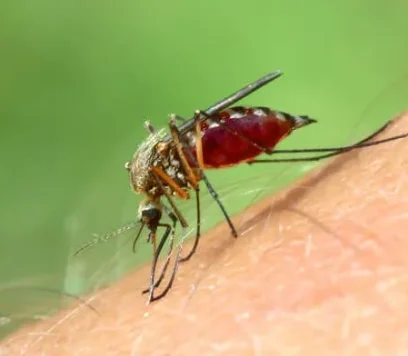
In Hamilton, where older housing stock, semis, and apartments can create multiple entry points, safer methods matter even more. Small gaps around utility lines, aging foundations, and shared walls can let pests move in repeatedly. That is why a smart pest plan should focus on exclusion and monitoring first, not just one-time spraying.
Ask whether the provider uses a combination of inspection, sealing, cleaning advice, and follow-up monitoring. A thoughtful expert treatment is often better than a single heavy application because it supports both effectiveness and child safety over time.
When to avoid remaining indoors while treatment is underway
Deciding whether to remain home depends on the product, the method, and your own sense of comfort. The key factor is the re-entry interval, which is the length of time the treated area should be left empty before it is safe to return. This is typically determined by the product label and the provider’s instructions.
If there may be strong odor, aerosol use, fogging, or a large indoor application, it is usually best to go out until the room has had enough ventilation. Good air circulation can reduce lingering vapours and help the home return to normal more quickly. Open windows when advised, run fans as appropriate, and do not re-enter too early just because a surface looks dry.
Be sure to follow label instructions. Labels are not extra paperwork; they are the official safety guide for how a product must be handled. If the company gives different instructions, ask them to explain why and make sure their advice still aligns with the product label and your pregnancy-related concerns.
If you live in a condo, rental unit, or apartment, the situation can be more complicated. Many Hamilton pest control providers serve both residential homes and multi-unit buildings, so apartment-safe treatment planning matters. Shared ventilation, adjacent units, and common hallways can affect how long you should stay away and whether neighbors also need notice.
If you are unsure, arrange service for a time when you can be out of the home for the required period. That extra buffer often gives greater peace of mind, especially during pregnancy when you may want to avoid unnecessary stress along with direct exposure.
Important questions to pose to a Hamilton pest control company
When comparing pest control Hamilton companies, put forward direct questions before confirming. A reliable company should be comfortable discussing pregnancy safety, product choices, and service timing in plain terms. You want a provider that treats your concerns seriously and offers specific answers, not vague reassurance.
First confirming whether the technician is a licensed exterminator and whether the business is a licensed pest control company. Licensing does not remove all risk, but it does help ensure the company follows training, regulations, and product handling standards that support resident safety.
Request for the SDS, or Safety Data Sheet, for any product they plan to use. The SDS details hazards, first aid, handling, and exposure considerations. If the technician cannot provide this information quickly, that is a warning sign. You should also ask about the specific application method: Will they use bait stations, crack-and-crevice treatment, a residual spray, dust, or a combination?
More useful questions include:
Mosquito Man Hamilton62 First Rd W, Hamilton, ON L8J 3R2, Canada
+1 289-408-9573
https://maps.app.goo.gl/47W3PJ15EnQopiUf6
https://sites.google.com/view/pest-control-hamilton-ontario/
43.1795221, -79.7846013
- Will the treatment be a targeted application or a broader indoor treatment?
- What is the duration is the re-entry interval?
- Which ventilation steps do you recommend afterward?
- Can you offer low-toxicity options for a pregnant household?
- Can you arrange a follow-up visit if the infestation continues?
- What is your approach to apartments and multi-unit buildings?
Hamilton homeowners and renters should also ask whether the company has experience with local housing types and with apartment-safe planning. Older homes can have more access points, and shared buildings may need more careful coordination. A provider who understands this can often solve the problem with fewer chemicals and better long-term results.
Hamilton-focused pest pressures during pregnancy
Hamilton, Ontario has a blend of older homes, semis, and apartments, and that can increase openings for pests to enter. Gaps in foundations, shared walls, aging doors, and utility openings are all common issues. For pregnant households, that matters because a small entry point can turn into recurring pest activity and repeated decisions about treatment.
Mice are a frequent concern in many neighbourhoods, especially where food storage is inconsistent or entry points are easy to access. Ants often surge in humid spring and summer conditions, when moisture and warmth draw them indoors. Cockroaches can be a bigger problem in some multi-unit buildings, particularly where food waste, moisture, or hidden voids create ideal conditions.
Local geography also affects pressure. Homes near the escarpment, lower-city neighbourhoods, and areas close to water or green space may see distinct pest patterns than homes in other parts of the city. Green space can mean more seasonal insect activity, while damp or older building conditions can encourage indoor harborage.
Bed bugs are another issue Hamilton families may face, especially in apartments, rental units, and buildings with frequent tenant turnover. Bed bug treatment often requires follow-up visits and careful preparation, so pregnant people should ask early about the treatment method, room access, and whether chemical and non-chemical steps can be combined safely.
Because Hamilton pest control providers often serve both detached homes and multi-unit properties, it is wise to pick a company that understands building-specific risks. The best treatment plan is one that aligns with the structure, the pest, and your pregnancy-related need for caution.
Safer, simpler preparation and follow-up care measures for pregnant families
Good preparation can minimize contact before service and make the home easier to reset afterward. If you are part of a pregnant household, the prep plan should be straightforward, focused, and manageable. Overcomplicated steps can increase stress without adding to safety.
Begin with food storage. Store away open food, seal pantry items, and remove dishes, pet food, and small appliances from the treated area if instructed. Place food in hard-sided containers when possible, especially if the issue involves mice, ants, or cockroaches. This helps prevent contamination and keeps treatment surfaces clear.
Surface cleaning is also important, but timing matters. Wipe down counters and food-contact surfaces before the appointment, then avoid wiping away bait placements or treatment spots unless the provider tells you to do so. After the service, follow the company’s instructions about when to resume cleaning and what areas should be kept undisturbed.
Additional useful protective measures include:
- Keeping family members and pets out of the treatment zone as directed
- Cracking windows for air circulation only when it is safe and recommended
- Washing hands after handling items returned to the kitchen
- Inspecting under sinks and behind appliances for leaks that attract pests
- Choosing trash bins with tight-fitting lids
All these steps support both pest control success and child safety. They also help prevent repeat infestations by removing the conditions pests rely on. For many expecting families, that means reduced stress, fewer repeat appointments, and more peace of mind.
At what point to call your medical provider
Most typical, carefully applied pest control services do not usually lead to serious problems in pregnancy. However, if you think you may have had significant toxic exposure, it is wise to reach out to a medical professional. This is especially true if you were in the room during application, if a product was misused, or if you feel sick afterward.
Call your doctor or birth attendant if you experience issues such as head pain, lightheadedness, an unusual feeling of nausea, respiratory irritation, eye or https://hamilton-onl7edi948.zenbloomer.com/posts/what-is-the-best-treatment-for-carpenter-ants-in-hamilton skin irritation, or unease after a procedure. Tell what solution was used, how long you were in contact, and whether the home had proper air circulation. If you are able, have the SDS available when you phone.
You may also want to contact your provider if you have a high-risk pregnancy, a lung condition, or major worries about a particular pest control treatment. In certain situations, your family doctor or midwife may advise more caution, a different schedule, or a non-chemical approach first.
If you think you may have a serious incident or an emergency, seek prompt medical help right away. It’s usually wiser to call sooner than to stress afterward. A quick call can bring reassurance and keep safe both you and your baby.
FAQs about pest control during pregnancy in Hamilton
Is pest control safe during pregnancy in Hamilton?
In many cases, yes, if the application is carefully planned and the product is used according to the label directions. The best-protected option is usually one that reduces chemical exposure through integrated pest management, precise application, and clear re-entry advice. In Hamilton, Ontario, it is especially important to work with a licensed pest control company that understands safety during pregnancy and local housing conditions.
Is it necessary to leave home during pest control treatment?
Usually you should leave if the treatment includes interior spraying, fogging, or any method with a re-entry interval. Remaining out of the area during application and until there is enough ventilation can reduce exposure risk. Ask the technician exactly when it is safe to return, and adhere to the written instructions closely.
Are sprays, baits, or traps safer during pregnancy?
In many cases, baits and traps are less risky than broad sprays because they can cut down on chemical spread and support more non-chemical methods. That said, the safest choice depends on the pest, the infestation level, and how the products are placed. For ants, mice, cockroaches, and even bed bugs, a combination of monitoring, sealing, and careful placement is often better than a strong residual spray.
What questions should I ask a Hamilton pest control company before booking?
Ask whether the technician is a licensed exterminator, what SDS documents are available, what application method will be used, and how long the re-entry interval is. Also ask about ventilation, low-toxicity options, apartment-safe planning, and whether the company offers a follow-up visit. These questions help you judge whether the service is appropriate for a pregnant household.
When do I need to contact my doctor or midwife after pest control exposure?
Call your family doctor or midwife if you think you had toxic exposure, were present during treatment longer than recommended, or develop symptoms such as headache, dizziness, nausea, or irritation. If you have any pregnancy-specific concerns, it is reasonable to ask sooner rather than later. Having the product name, SDS, and a description of the exposure will help your provider give better advice.